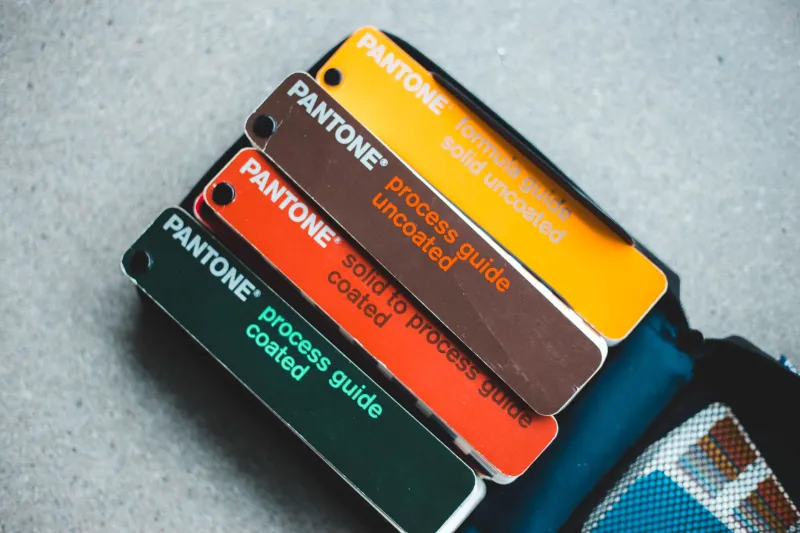
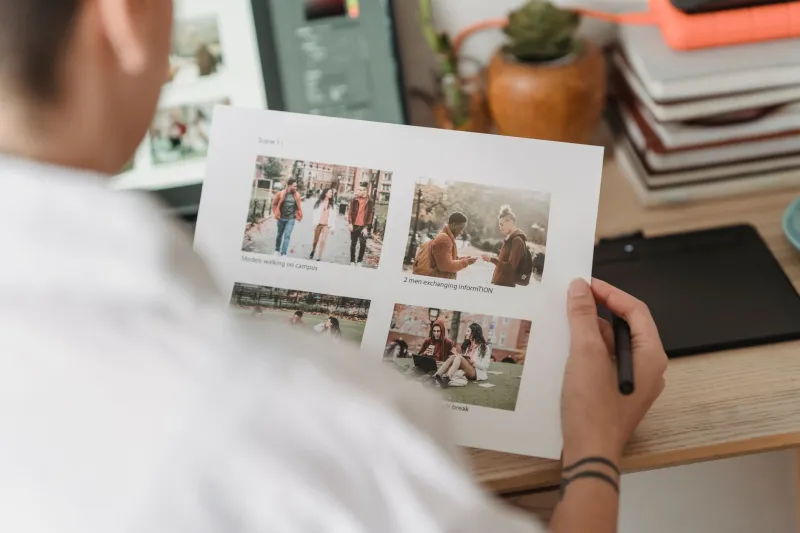
Custom Printing in 2025: The Trends Redefining What Ends Up on Paper

The printed word and image have survived every wave of digital disruption for a simple reason: physical materials occupy space in the world in ways that screens cannot replicate. A beautifully crafted brochure, an elegantly printed invitation, or a sustainably packaged product carries weight — both literally and figuratively. In 2025, the custom print industry is not merely surviving; it is evolving with remarkable energy.
For creative professionals, marketers, and business owners navigating their next print project, understanding where the industry is headed is as valuable as any design skill. At Print Magic Print, we stay closely attuned to the shifts shaping our craft, and this year presents a particularly compelling set of directions worth examining.
Sustainability Moves from Preference to Expectation
If there is a single overarching theme defining 2025 in custom printing, it is the mainstreaming of sustainable practices. What was once a premium differentiator — recycled substrates, soy-based inks, FSC-certified paper — has become a baseline expectation among a growing segment of American consumers and B2B buyers alike.
Plant-based and vegetable-derived inks are replacing petroleum-based formulations at an accelerating pace. These inks produce vibrant results on a wide range of substrates while reducing volatile organic compound (VOC) emissions during production. For businesses whose brand identity includes environmental stewardship, specifying these materials in print orders is now a coherent and credible choice rather than a niche preference.
Beyond ink chemistry, paper sourcing has become a focal point. Brands are increasingly selecting post-consumer recycled content papers, agricultural byproduct papers made from sugarcane or wheat straw, and tree-free alternatives. The visual texture and warmth these materials introduce to printed pieces has become a design asset in itself — tactile differentiation that communicates authenticity.
Worthwhile to note: sustainability in print is not simply about material selection. Print-on-demand and short-run digital printing reduce overstock waste significantly, making them environmentally advantageous options for businesses that previously ordered large offset runs only to discard outdated inventory.
Minimalism Evolves — But Does Not Disappear
The minimalist aesthetic that dominated packaging and brand design throughout the late 2010s and early 2020s is not disappearing in 2025 — it is maturing. Clean layouts, generous white space, and restrained typographic choices remain widely valued, but the conversation has grown more nuanced.
This year, designers are introducing deliberate imperfection into minimalist frameworks. Hand-drawn lettering, intentional grain and texture overlays, and organic shapes that suggest human craftsmanship are appearing alongside otherwise stripped-back compositions. The result is a warmth that pure geometric minimalism sometimes lacks — a sense that a real person, rather than an algorithm, made the design.
For printed materials specifically, this trend translates into interesting substrate choices. Uncoated and soft-touch matte finishes complement the organic aesthetic far more effectively than high-gloss laminates. Letterpress and foil stamping — techniques that impose physical depth and texture — are experiencing renewed enthusiasm as counterpoints to the flatness of screen-based design.
Hyper-Personalization at Scale
Variable data printing (VDP) technology has existed for years, but 2025 is the year it has become genuinely accessible to small and mid-sized businesses. The ability to customize individual printed pieces — swapping names, images, offers, or even color schemes across a single print run — enables a level of audience targeting that was previously achievable only through digital channels.
Direct mail campaigns leveraging VDP are demonstrating measurably higher response rates compared to generic mass mailings, a finding that has renewed interest in print as a performance marketing channel. A postcard that addresses the recipient by name, references their geographic region, or features imagery relevant to their known preferences commands attention in a way that a uniform piece cannot.
For creative professionals, this trend opens genuinely exciting creative territory. Designing for variability requires rethinking layout architecture — ensuring that dynamic elements integrate seamlessly with static design components regardless of what content populates the variable fields.
What Is Losing Momentum
Not every trend endures, and an honest assessment of 2025 requires acknowledging what is declining in relevance.
Overly busy, maximalist design — characterized by dense patterns, clashing color palettes, and competing typographic hierarchies — is losing ground in professional print contexts. While expressive and energetic design certainly has a place, the excesses of this approach have become associated with visual noise rather than boldness.
Glossy lamination as a default finish is also waning. Where gloss coatings were once a standard upcharge that implied quality, the market has shifted toward matte and soft-touch finishes as the premium choice. Gloss remains appropriate for certain applications — notably photography-heavy materials and some product packaging — but specifying it reflexively is no longer the mark of sophistication it once was.
Generic stock photography in printed marketing materials continues its decline. Audiences have grown adept at recognizing staged, impersonal imagery, and its presence in a brochure or catalog can undermine the authenticity a brand is working to project. Custom photography and illustration — even modestly produced — consistently outperforms library imagery in engagement and recall.
Specialty Finishes and Tactile Experiences
In a media environment saturated with digital content, the tactile dimension of print has become one of its most compelling advantages. Specialty finishing techniques that engage the sense of touch are among the most enthusiastically adopted trends of 2025.
Spot UV coating — applied selectively to specific design elements rather than across an entire surface — creates striking contrast between matte and glossy zones on a single piece. Raised or embossed details invite recipients to run their fingers across a surface, creating a sensory engagement that no screen can replicate. Soft-touch laminate, which imparts a velvety, almost suede-like quality to printed pieces, continues to be favored for premium business cards, presentation folders, and product packaging.
Die-cutting, which allows printed pieces to assume non-rectangular shapes, is also enjoying a resurgence as brands seek to make direct mail and marketing collateral physically distinctive. A uniquely shaped mailer does not merely stand out in a mailbox — it creates a moment of curiosity and interaction that flat rectangular formats rarely achieve.
Looking Forward
2025 represents a year in which print is reasserting its value with clarity and confidence. The trends shaping the industry reflect a broader cultural appetite for authenticity, sustainability, and sensory richness — qualities that the medium is uniquely positioned to deliver. For businesses and creative professionals ready to invest thoughtfully in custom print, the current landscape offers more creative and strategic possibility than at any point in recent memory.