Ink in the Room: Why Physical Print Samples Close Deals That Digital Proofs Cannot

There is a moment in nearly every client presentation when the energy in the room shifts. For agencies that rely exclusively on digital proofs, that moment rarely arrives. For those who place a carefully produced print sample directly into a client's hands, it almost always does.
The difference is not cosmetic. It is psychological, strategic, and increasingly measurable. As competition among design and marketing agencies intensifies across the United States, the firms that consistently win larger contracts are not necessarily the ones with the most polished slide decks. They are the ones who understand that trust is built through the senses — and that no monitor, however color-accurate, can substitute for the weight of coated stock between a client's fingers.
The Limits of the Screen in a High-Stakes Pitch
Digital proofs have obvious advantages. They are fast to produce, easy to revise, and simple to share across distributed teams. For internal review cycles, they are often sufficient. But a client presentation is not an internal review. It is a trust-building exercise, and the tools that serve efficiency do not always serve persuasion.
Consider what a client actually experiences when reviewing a PDF on a laptop or a projected slide. They see color values that vary depending on the display calibration of the device in front of them. They view layouts at a scale determined by screen resolution rather than intended print dimensions. They have no way to assess paper weight, finish texture, or the tactile presence that will ultimately define how their customers experience the final product. They are, in effect, being asked to approve something they have never actually encountered.
This creates a confidence gap — a space between what the client is shown and what they are being asked to commit to. Agencies that fail to close that gap often find themselves losing deals not to better creative work, but to competitors who simply made the client feel more certain.
What Happens When Something Physical Enters the Room
The psychology of tangible decision-making is well documented. Research in consumer behavior consistently demonstrates that physical interaction with an object increases perceived value, strengthens emotional connection, and accelerates commitment. These dynamics do not disappear in a boardroom. If anything, they intensify when significant budgets are on the table.
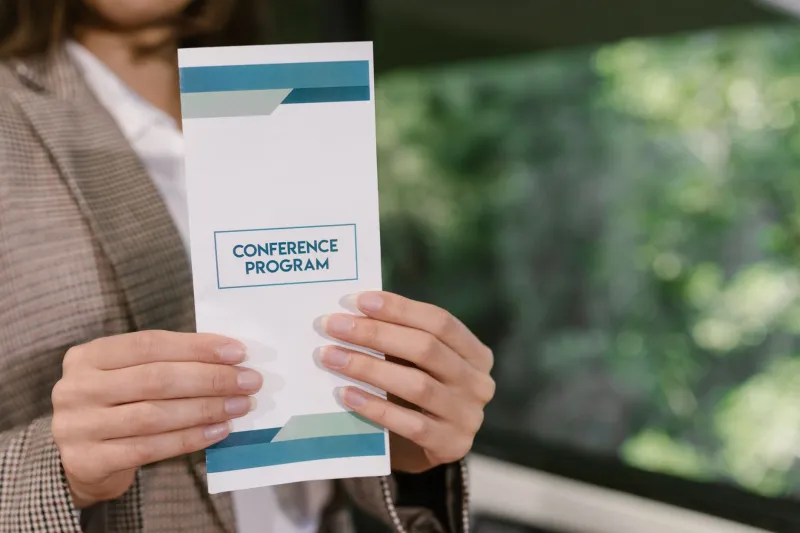
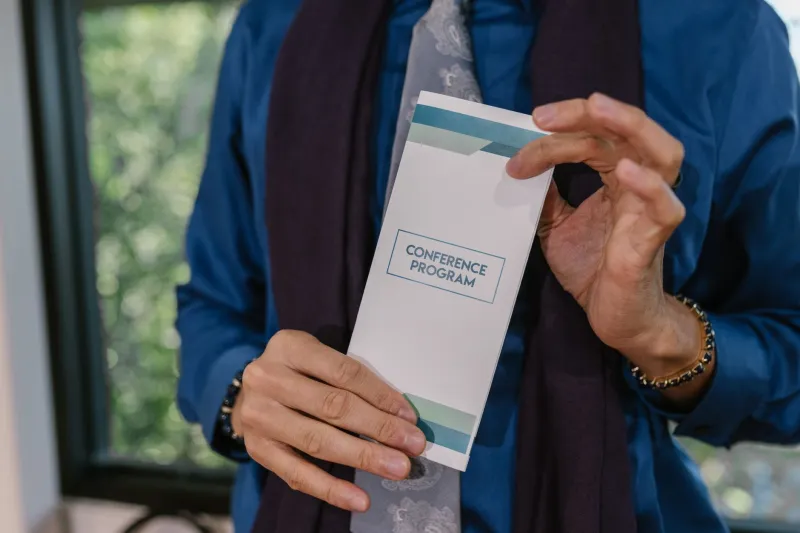
When an agency presents a print sample — whether a prototype brochure, a press-matched color proof, or a mock-up of a proposed packaging system — the client is no longer being asked to imagine an outcome. They are holding it. The conversation shifts from abstract approval to concrete evaluation. Questions become more specific. Feedback becomes more actionable. And critically, the client begins to feel a sense of ownership over something that does not yet officially exist.
This psychological transfer of ownership is one of the most powerful tools available to any agency working to close a high-value contract. A well-produced sample communicates competence, preparation, and a genuine investment in the client's vision before a single invoice has been issued.
Agencies That Transformed Their Pitch Strategy
Across the country, design and marketing firms have begun to formalize this approach — treating print samples not as optional finishing touches, but as central components of their business development strategy.
One mid-sized brand agency based in Chicago reported a significant shift in close rates after introducing physical leave-behinds to their pitch process. Rather than ending presentations with a PDF summary, the team began producing short-run printed booklets — professionally bound, printed on premium uncoated stock — that recapped their strategic recommendations. Clients who received these materials were notably more likely to schedule follow-up conversations and to reference specific sections of the document in subsequent communications. The agency attributed a measurable increase in average contract value, in part, to the elevated perception of quality that the printed materials conveyed.
A boutique packaging design studio in Austin took a different approach. For every new business pitch involving a consumer product client, the team produced a physical mock-up of a proposed packaging concept using press-quality digital printing and structural prototyping. The investment in each sample ran between two hundred and five hundred dollars. The studio's principals noted that clients who received these samples rarely questioned the agency's quoted fees — a stark contrast to pitches where only rendered images were presented. The physical object, they observed, made the price feel proportionate to something real.
The Strategic Use of Print Samples in a Pitch
Not every presentation warrants the same level of sample investment. The strategic question is not whether to use print samples, but how to deploy them most effectively given the opportunity at hand.
For initial exploratory meetings with prospective clients, a well-curated portfolio of printed work — organized by industry or project type — can serve as a powerful credibility signal without requiring project-specific production. These materials demonstrate a command of print craft and an understanding of how different paper stocks, finishes, and binding methods serve different communication objectives.
For competitive pitches involving defined project scopes, a targeted sample that speaks directly to the client's industry or aesthetic preferences carries considerably more weight. A healthcare client will respond differently to a clean, matte-finished brochure than a luxury retail client who expects the kind of tactile richness that soft-touch lamination or spot UV coating can provide. Matching the sample to the client's world signals that the agency has done its homework.
For final presentations where a contract decision is imminent, a near-production-quality prototype — one that accurately represents the finish, weight, and color of the proposed deliverable — can function as the decisive factor. When a client can hold something that closely approximates what they will eventually receive, the perceived risk of committing to the project diminishes substantially.
Print Samples as a Measure of Agency Confidence
There is one final dimension to this conversation that deserves direct attention. Bringing a physical print sample into a client meeting is, at its core, an act of confidence. It signals that the agency believes in the quality of its own work enough to render it in a form that cannot hide behind screen brightness or resolution settings.
Clients recognize this. They may not articulate it explicitly, but the implicit message of a well-produced sample is clear: this agency stands behind what it creates. That message, delivered through something as fundamental as ink on paper, carries a persuasive force that no digital presentation can fully replicate.
For agencies looking to sharpen their competitive positioning in 2025 and beyond, the investment in strategic print samples is not a legacy habit from a pre-digital era. It is a deliberate and sophisticated tool for building the kind of client trust that turns promising pitches into signed contracts.